Showing posts with label blood. Show all posts

Monday, May 5, 2014

Powers of Ashwagandha, Neem & Brahmi

Ashwagandha, Neem and Brahmi are just some of the most valuable herbs Ayurveda offers.
  • Ashwagandha is great for balancing Vata, which governs all movement in the body.
  • it is an adaptogen and promotes stamina and well-being
  • supports all nerve impulses
  • increases strength in muscles
  • supports healthy functioning of the reproductive system
  • helps with joint pain
  • promotes a good sleep, memory and clear mind
Neem has been around for centuries and is very widely used in India.  In Ayurveda, it is known as a great herb to have a medical effect on the skin.
  • Neem is great for balancing Pitta
  • helps in the removal of ama and other toxins
  • excellent purifier for the blood
  • clears blemishes
  • helps with psoriasis and other skin problems
  • also very nourishing for the hair
Brahmi is one of the mot popular Ayurvedic herbs.  In ancient Vedic literature, it is known that brahmi was used by scholars and students to increase their memory and proper brain functioning.
  • Brahmi calms the mind
  • supports proper brain functioning
  • increases memory
  • promotes relaxation
  • support consciousness and longevity


Powers of Ashwagandha, Neem & Brahmi

Friday, April 25, 2014

Why Are Apples So Healthy?


We all know that old saying: “An apple a day keeps the doctor away.

But have you ever wondered why that is? How one apple a day can bring about significant health benefits? If you have, then you’ll be glad to read this article. From strengthening the immune system, through preventing cancerous growths and to losing weight, say hello to your one apple a day!

 390f663c-c32b-4f0b-8e75-6d4353968a02


How do apples do what they do?


An important research published in 2008 by the German cancer research center, showed that apples offer a significant health advantage. When comparing between a group that had less than one apple per day and a group that had one or more apples a day, the latter was found to have less risk of mouth cancer, larynx cancer, breast cancer, intestinal cancer, kidney cancer and ovarian cancer.

These findings support a new research performed at Cornell university, showing that the peel of the apple has strong anti-oxidant properties, a powerful block against the influences of breast cancer cells. Researchers found that the higher the concentraion of apples, the lower the concentration of cancerous cells.

Cancerous growths are uncontrollable growths of cells independently spreading through the body. The growths are based on three principal levels: The first stage causes mutations in cell DNA. The second, when the growth becomes malignant and grows faster, and finally when it metastases and spreads throughout the body.

In the case of a cancerous growth, apples aren’t only used as anti-oxidants, but also improve the function of the immune system, which helps clean out the growths at the early stages.

In addition to boosting the immune system and fighting cancerous growths, apples also help control the levels of cholesterol and sugars in the blood, prevent heart disease and improve mouth hygiene. The fact that they contain more than 80% water and a long line of essential vitamins, makes them one of the healthiest foods available.

The secret is in the nutritional fibers

Apples are considered a vital source of nutritional fibers. Eating one apple a day (with peel) can award us about 4.4 grams of nutritional fibers, which is 1/5 of our entire day’s recommended amount.

Nutritional fibers are materials found in foods that come from plants, and have a very important role in stimulating the digestive system and encouraging its function. Since they are not digested and taken apart in the body, they sate our hunger for a longer period of time. Extensive research has shown that those that do not get their daily recommended amount (at least 25 grams a day), deny themselves a host of health benefits. In addition, the researchers found that consuming these fibers is quite the effective method of losing weight.

The secret is in the chewing. Drinking apple juice will not bring about the same health benefits. We’d be happy to receive the essential sugars and vitamins, but we would not get the fibers.

A research conducted in China found that chewing can help the body regulate the amount of calories it absorbs from food.


b4c50867-dc92-4e41-a131-e94dd7e39a4d


What does this have to do with apples?

Everything. Apples are a terrific source of nutritional fibers, especially a group of fibers called Pectin. This is a group of complex carbohydrates that regulate our bowels, improve good cholesterol rates and is a powerful anti-oxidant and anti-bacterial.

Researchers from UCLA have shown that consuming pectin instead of regular fibers, doubles the time it takes the stomach to empty from one hour to two. Meaning that we don’t feel hungry for a longer time. In fact, a recent research paper entitled: “Weight Loss Associated with a Daily Intake of Three Apples or Three Pears among Overweight Women”, shows that women suffering from overweight and were instructed to eat an apple or pear before each meal, lost significant weight, just for doing so. The women in the experiment were asked to eat regularly and just add the apple before the meal. What happened was that the apples and fibers crowded the stomach, increased the feeling of being full, and made the body absorb less calories.

Other sources of nutritional fibers are: Pears, Peaches, peas, carrots, seeds, nuts, peel of fruits and vegetables, legumes, whole grains, oats and whole wheat. But apples offer many more advantages.

So if you want to:

Lose weight, eat one apple a day.

Strengthen your immune system, eat one apple a day.

Control the level of cholesterol, eat one apple a day.

Prevent the spread of cancerous cells, eat one apple a day.

And if you want to keep the doctor away - EAT ONE APPLE A DAY!


Monday, March 31, 2014

Did You Know - About Cherries

Did you know that cherries ease joint pains and alleviate headaches and migraines?  A study by researchers at East Lansing's Michigan State University showed that if you have arthritis or chronic headaches, having a bowl of cherries a day might alleviate your pain, minus the stomach upset so often triggered by painkillers.  Eating cherries can also reduce uric acid in the blood, which is the cause of arthritic pain and swelling.

Definitely have a bowl everyday.


Saturday, February 1, 2014

Benefits of Cauliflower

My mom is making cauliflower for lunch today, my favorite!!!


Here are some health benefits of cauliflower.


* Click on image for larger view*

Wednesday, January 29, 2014

Liver Cleansing Foods

The liver is a very important organ.  Its main job is to filter the blood from the digestive tract before passing it to the rest of the body.  The liver also detoxifies chemicals and metabolizes drugs.  The liver secrets bile that ends up back in the intestines. 

There's a lot we can do to help cleanse the liver and avoid any difficulty.
Here's a list of foods that can help cleanse the liver.

Broccoli
Walnuts
Lemons
Avocado
Garlic
Beets
Leafy green vegetables  

Saturday, December 21, 2013

Surya Namaskar - Sun Salutation

Thought I'd keep with the roll of yoga.


Surya Namaskar, or Sun Salutations.
Surya, the sun, is the Hindu solar deity.
A sequence of asanas or poses are performed to build strength and awareness to the physical body, mind and soul.  There are a total of 8 different asanas in the sequence of 12 asana changes.
Benefits of Surya Namaskar - 
  • your consciousness is raised
  • develop inner peace 
  • rekindle your drooping spirit
  • face glows - balance of mind, body and spirit
  • detoxification of body and mind
  • mental clarity and concentration
  • immunity is increased 
  • loosens excess belly fat
  • regulates menstrual cycle
  • reduces anxiety and restlessness 
  • enhances strength and vitality 
  • various poses help regulate blood flow
  • tones arms
  • strengthens spine 


Wednesday, December 11, 2013

Dark Chocolate Lovers

Lately, I've been wanting dark chocolate every day, especially Kit Kat dark chocolate - it's great.
After knowing the benefits of dark chocolate, having a couple of these kit kat bars everyday makes me happy! 

* Click on picture for larger view * 


Saturday, November 16, 2013

What Your Urine Says About Your Health

3179.jpg
You would be surprised by how much information can be gleaned from the urine that you produce each day (one to two quarts, on average). For example, the simple “dipstick” urine test that doctors often use to check for a urinary tract infection also can help them diagnose kidney disease, diabetes, cancer and other conditions. But there is more.
What you may not realize: If you know what to look for, you can tell a lot about your health just by being aware of the physical characteristics of your urine—such as color, smell and frequency. What to watch out for…

COLOR

When you’re healthy and drinking enough water, your urine should be mainly clear or straw-colored with just a hint of yellow. The yellow color comes from urochrome, a pigment produced by the breakdown of a protein in red blood cells.
Urine is naturally darker in the morning because you don’t drink water while you sleep. If a color change persists, however, it could be a problem. For example…
Brown or dark brown. Pay attention if your urine is dark for more than a week.
What this usually means: Liver disease. The liver normally breaks down and excretesbilirubin, a pigment that’s produced by the turnover of red blood cells. Patients with liver disease accumulate bilirubin. This initially will cause jaundice, a yellowing of the skin or the whites of the eyes. As more bilirubin accumulates, it can cause the urine to become brown. A combination of dark-colored urine and jaundice means that liver disease might be getting worse. See your doctor right away.
Dark-colored urine also can be a side effect of some antibiotics, laxatives and muscle relaxants. Eating large amounts of fava beans, rhubarb or aloe can cause brown urine as well. In some cases, dark-colored urine can signal kidney failure.
Red or pink. Urine that’s tinged with red or pink could simply mean that you have been eating beets. (The medical term for beet-induced urine changes is beeturia). Or it could mean that you’re urinating blood.
The amount of blood will affect the color. If the urine resembles cabernet wine, you’re bleeding a lot…urine that’s pinkish or just slightly red contains only traces of blood. A microscopic amount of blood won’t be visible—it can be detected only with a laboratory test.
What this usually means: Blood in the urine is always a problem. Make an appointment to see your doctor. If you see blood and it also hurts when you urinate, you could have an infection—in the urethra, bladder or kidney or even a malignancy in the bladder, for example. Bleeding without pain also can indicate these conditions.
Green. Though rare, a person’s urine can turn a greenish color.
What this usually means: Green urine can appear when you’ve consumed a chemical dye—from food coloring, for example, or from taking medications such as amitriptyline(Elavil), an antidepressant, or indomethacin (Indocin), a nonsteroidal anti-inflammatory drug. In some cases, urine with a greenish tint can signal a urinary tract infection with certain bacteria (such as pseudomonas) that affect the color.
If your urine is greenish, increase fluid intake to see if it clears. If it doesn’t in two days, see your doctor or a urologist.

ODOR

If you’re healthy, your urine should be highly diluted, consisting of about 95% water, with only small amounts of dissolved chemical compounds and metabolic by-products. It typically has no—or only a faint—odor.
Of course everyone is familiar with the effect that asparagus and some other foods, such as onions or fish, have on the smell of one’s urine. This strong “rotten” smell is due to the chemical compounds in certain foods, particularly molecules that are not completely broken down by the body. The smell usually disappears within a day or so.
Some other less common urine smells include…
Ammonia-like. If your urine is concentrated, with a larger-than-normal amount of urea (a chemical compound in urine), you might smell an aroma that resembles ammonia. Or you might just notice that it has a stronger smell than usual.
What this usually means: Dehydration. The less water you drink, the higher the concentration of urea and other substances—and the stronger the smell. You can diagnose this yourself by drinking, say, one extra glass of water an hour for several hours to add water to your urine. The strong urine smell will probably disappear within a few hours. If it does not, see your doctor.
Foul-smelling. If your urine smells foul or unusual in any way for more than a few days, pay attention to the odor.
What this usually means: If it’s not caused by a food that you’ve eaten, it could signal an infection in the bladder or kidneys. Less often, it’s due to a metabolic disorder that reduces the body’s ability to fully break down foods during digestion.
Uncontrolled diabetes can cause an abnormally sweet odor, and penicillin can cause a distinctive medicinal odor.
Even if you have no other symptoms, such as pain while urinating, but your urine continues to have an unusually strong smell for more than a couple of days, talk to your doctor.

FOAMY OR BUBBLY

It’s natural to see foam in the toilet when you really have to go and have a heavy stream. But urine that’s consistently foamy or bubbly could mean that you’re losing protein.
What this usually means: Kidney disease. Large amounts of protein in the urine is one of the main signs of chronic kidney disease. See your doctor right away.

MUCUS OR CLOUDY

Mucus in urine could indicate inflammation in the urinary tract.
What this usually means: Urinary tract infection. See your doctor.
Cloudy urine also can be related to infection but often is just an indication that your urine is alkaline, which is harmless at low levels.

VOLUME AND FREQUENCY

The average adult typically urinates four to eight times in 24 hours. A change in the frequency of your urinary habits, including getting up more than twice a night to urinate, or an increase or decrease in the amount that you urinate, warrants attention.
What this usually means: An increase in the frequency of urination, along with an increase in volume, is one of the telltale signs of diabetes.
If the amount of urine seems the same but you’re urinating more often, you could have a urinary tract infection. If this is the case, you’ll probably have very strong urges to urinate even when just a small amount comes out.
Frequency of urination and/or urinary urgency in the absence of a urinary tract infection can indicate an overactive bladder.
In men, enlargement of the prostate gland can trigger urinary urgency. Patients with neurological conditions, such as multiple sclerosis, can also have this symptom.
Don’t worry if there’s been a decrease in the amount or frequency of urination. You probably just need to drink more water. If this doesn’t help, see your doctor.
Source: Jonathan M. Vapnek, MD, a urologist and clinical associate professor of urology at Mount Sinai School of Medicine in New York City. A member of the American Urological Association, he’s been named by New York Magazine as one of New York City’s best urologists. Dr. Vapnek has authored or coauthored more than 35 papers on urological topics.

Monday, October 14, 2013

Feedback!

Greetings.

Someone had reached out to me recently asking for a recommendation as to how she can help with the reddish, small acne type bumps on her face.

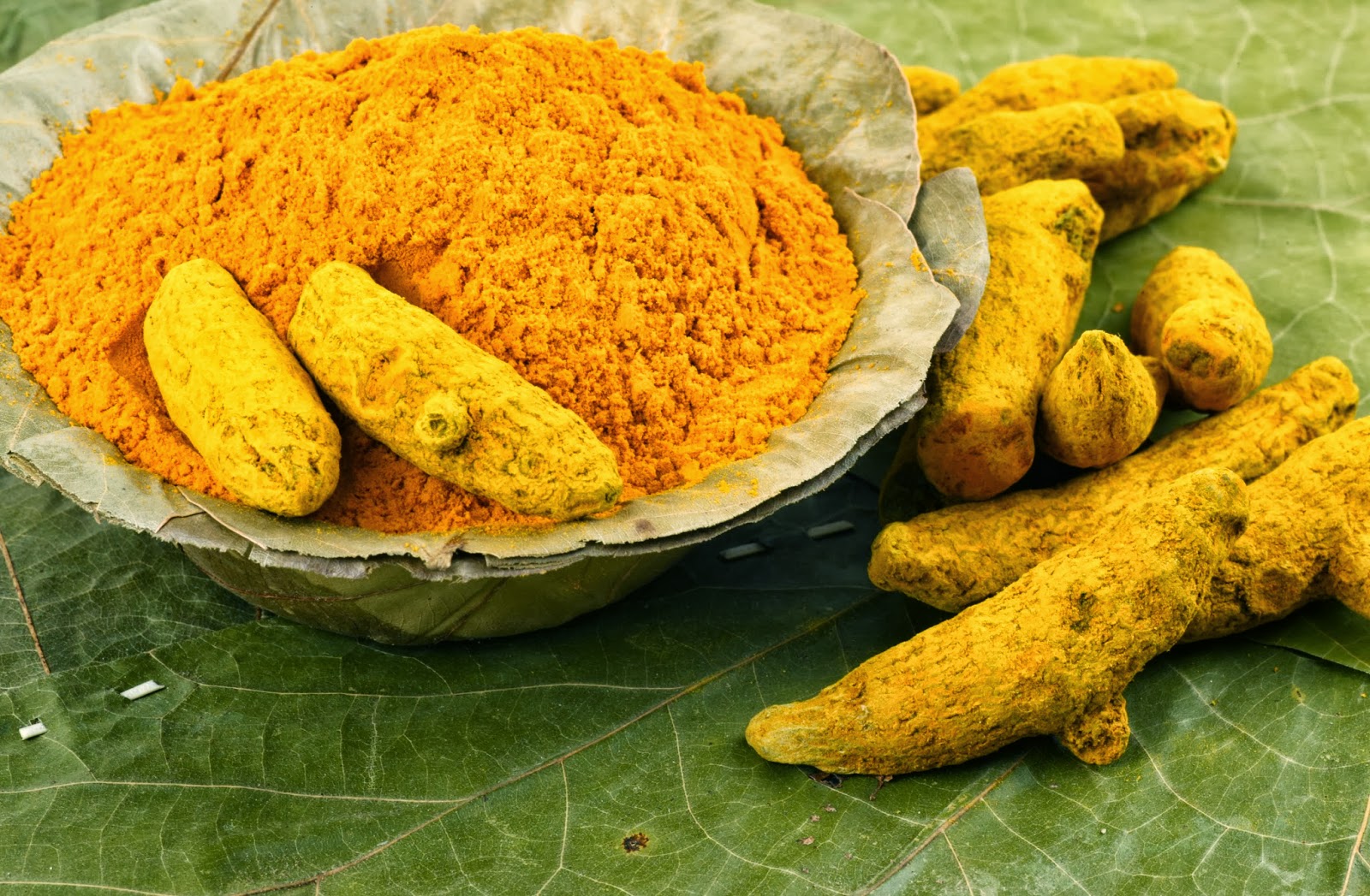
The best cure - turmeric.

I told her to make a paste out of turmeric -
- 1 teaspoon of turmeric powder
- Mixed with water
- Mix till there is a good consistency
- Apply on affected area
- Best to do morning and night

After a few weeks, we got in touch and she said there's a big difference and the affected area is so much better!

Here is some general information about turmeric -

  • can be used internally and externally
  • dry and light in quality
  • taste is pungent, bitter and astringent
  • golden in color which gives a golden like complexion
  • the oil from the turmeric contains a lot of vitamin A, proteins, carbohydrates
  • decreases cholesterol level
  • often used as cream component for skin
  • reduces pain and swelling
  • good for dry eczema and wounds
  • fumes of turmeric is used for breathing problems - hiccups
  • stimulates process of digestion
  • facilitates downward movement of vata
  • purifies the blood
  • helps to stop bleeding
  • reduces urinary frequency
  • helps reduce fever
  • good to have if diabetic
  • has a purifying effect on lactating mothers
  • good for anemia 
  • recent studies shows it to have anti cancer properties 


Monday, September 23, 2013

The 7 Don'ts After A Meal

An interesting read I received and want to share.

1     Don't smoke - Experiment from experts proves that smoking a cigarette after meal is comparable to smoking 10 cigarettes (chances of   cancer is higher).      
                                                                                  
2    Don't eat fruits immediately - Immediately eating fruits after meals will cause the stomach to be bloated with air.  Therefore take fruit 1-2 hours after meals or 1 hour before meal.      

                                    
3  
  Don't drink tea - Because tea leaves contain a high content of acid,  this substance will cause the protein content in the food we consume to be hardened thus difficult to digest.  
  
4     Don't loosen your belt - Loosening the belt after a meal will easily cause the intestine to be twisted and blocked.              

                                
5    Don't bathe - Bathing will cause the increase of blood flow to the hands, legs and body thus the amount of blood around the stomach will therefore decrease.  This will weaken the digestive system in our stomach.

                                                                                                                                              
6    Don't walk about - People always say that after a meal walk a hundred steps and you will live till 99.  In actual fact this is not true.  Walking will cause the digestive system to be unable to absorb the nutrition from the food we intake.                   

                                                                                                         
7    Don't sleep immediately - The food we intake will not be able to digest properly.  Thus will lead to gastric and infection in our intestine.   


Search This Blog